LOCAL COMMERCE · CONSUMER BEHAVIOR
In one of the toughest consumer economies in a generation, local businesses are discovering something unexpected: the right habit, delivered at the right moment, doesn’t just survive a downturn — it thrives in one.
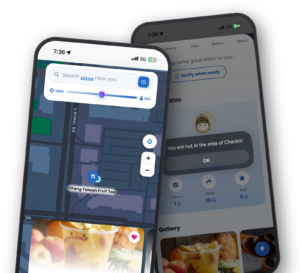
It’s 11:23 in the morning and Maria, a 34-year-old mother of two in Chandler, Arizona, just got a notification on her phone. It’s not a coupon. It’s not an ad. It’s the day’s local drop — a curated, time-limited offer from a restaurant three blocks from where she works. She taps it. Not because she was looking for a deal. Because she was expecting one.
That expectation is everything.
In 2026, consumer psychology has undergone one of its most rapid shifts in recent memory. The era of the impulse buy is fading. The era of the mindless transaction is over. What we’re living through now is a period of defensive spending, where local dollars are being carefully audited before they’re spent — and many merchants are feeling it directly.
And yet, right in the middle of that defensive posture, we built a habit. And it’s working.
The $20 ceiling and the end of the impulse add-on
Walk into any local convenience store or fast-casual restaurant today and you’ll notice something missing from the checkout counter: the clutter. The $4 energy drink. The $3 chocolate bar. The “why not?” add-on that used to inflate every local transaction by 15–20%.
That behavior has largely disappeared. What’s replaced it is something retail operators are observing widely — consumers entering stores with a precise mental list and exiting without deviation. The wandering eye has gone disciplined.
The spending shift — what changed in 18 months
| 2024 BEHAVIOR | 2026 BEHAVIOR |
| Weekly big shop, spontaneous add-ons, convenience-at-any-cost mindset. $15–18 fast-casual lunch as a default workday ritual. Brand loyalty drove purchasing — generic felt like settling. | Targeted, frequent trips with zero-deviation lists and a value-first mentality. The $15–18 lunch hits a psychological ceiling — brown bag 3x a week. Generic-first is now a signal of financial intelligence, not compromise. |
The result for local merchants has been challenging. Foot traffic at many locations has held — people still need things locally, still want experiences that screens can’t replicate. But average basket size has shrunk. Per-customer revenue is down even when visit count is stable. Merchants are working harder just to stay in place.
The traditional response to this kind of environment — discounting, paid ads, coupon blasts — only accelerates the race to the bottom. You train your customers to wait for deals. You erode the margin you were trying to protect. And at the end of it, you still don’t know who walked through your door.
Why habit beats promotion every time
The insight that reshaped how we think about local commerce isn’t complicated, but it cuts against two decades of local marketing orthodoxy: in a defensive spending environment, the most powerful thing you can offer a consumer isn’t a discount. It’s a reason to show up that feels like their idea.
“We are moving from a ‘treat yourself’ culture to a ‘sustain yourself’ culture. The merchants who survive this aren’t the ones offering the deepest discounts — they’re the ones who became part of someone’s day.”
Habits are, by definition, immune to the kind of deliberate spending audits that are killing impulse purchases. You don’t audit a habit. You just do it. The morning coffee. The lunchtime walk. The evening ritual. These behaviors persist through recessions, through tightened budgets, through the most friction-heavy consumer moments — because they’ve been converted from choices into routines.
The question for local commerce in 2026 is: how do you get inside someone’s routine? Not through interruption advertising, which defensive consumers increasingly tune out. Not through discount stacking, which trains the wrong behavior. But through a daily ritual that delivers genuine, curated value at a predictable moment — and makes the consumer feel like the smart one for showing up.
11:23 — why the time matters as much as the offer
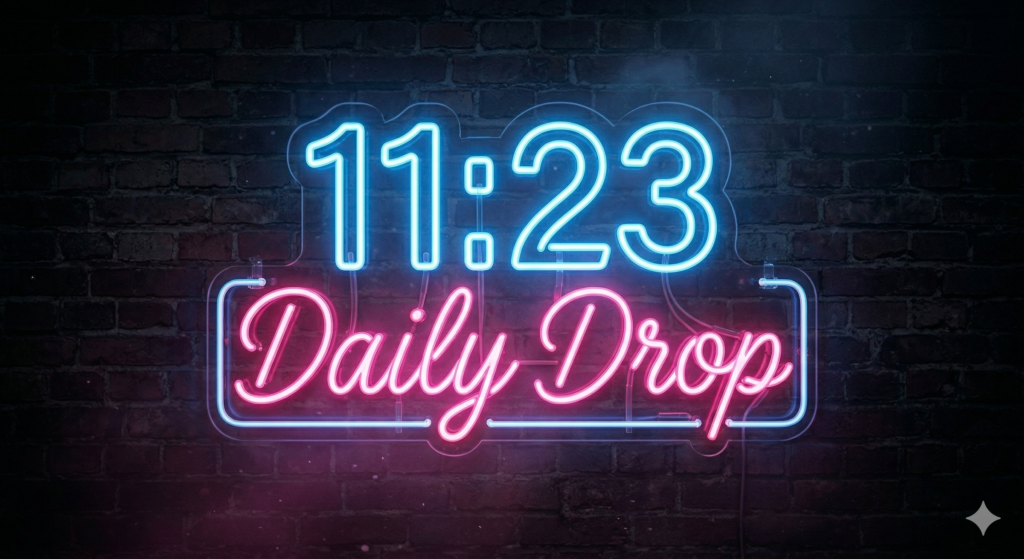
When we designed the daily drop mechanic for GOTYOU, we chose 11:23 deliberately. It sits just ahead of the lunch decision window — the moment when someone is transitioning from morning work mode to thinking about where they’ll eat or what they need to pick up. It’s the pause before the choice.
The specificity of the time is also part of the psychology. 11:00 is forgettable. 11:30 is generic. 11:23 is a detail that signals this was designed, not automated. It’s the same reason a restaurant reservation at 7:15 feels more intentional than one at 7:00.
| 84% OF USERS ENGAGED IN THE LAST 30 DAYS | 1.5× VIRAL COEFFICIENT — SHARES WITH 2+ FRIENDS | 73.9% OFFER CLAIM RATE AMONG ENGAGED USERS |
That last number is the one that matters most in a cautious economy. In an environment where consumers are scrutinizing every discretionary local transaction, more than four out of five people who claim an offer actually walk through the door. That kind of conversion doesn’t come from discounting. It comes from trust and routine.
That’s not deal-chasing. That’s a habit in motion.
What one merchant location learned about verified demand
Phillip, a franchise owner at a fast-growing restaurant concept with locations across the Southwest, had the same problem as most local merchants in 2026. He was spending on ads. He was running promotions. He had no reliable way to know which ones worked.
“Most marketing, you hope it works,” he told us. “With GOTYOU we actually see people walk in the door.”
That sentence contains everything wrong with local marketing in one word: hope. Merchants have been operating on hope for decades. Hope that the Google ad translated into a visit. Hope that the discount customer would come back. Hope that the social post drove any foot traffic at all.
1 → The drop goes live
A single 11:23 drop reaches verified users in the merchant’s zone — a curated, time-limited offer delivered to people who have already opted in and already spend locally.
106 → New customers arrive
106 people who had never visited that merchant location walk through the door. Not website visitors. Not click-throughs. Physical, verified, named customers.
308 → Repeat visits compound
308 repeat visits follow. The one-time drop created a habit loop — customers who came once, came back. The merchant now knows their names.
517 Total engagements — strong return on a modest spend
517 total verified engagements from a single drop, generating meaningful new revenue at a fraction of what a traditional ad campaign would cost to produce equivalent, attributable results.
What made this work wasn’t the discount. It was the audience. Every person who saw that drop was already in the local market, already spending locally, already predisposed to discovering something new nearby. GOTYOU didn’t manufacture demand. It organized it.
The real crisis isn’t spending — it’s invisibility
Here’s what often gets lost in the 2026 conversation about local merchant survival: consumers haven’t stopped spending locally. They’ve become more intentional about it. They’re still buying coffee, still going out, still supporting the neighborhood — they’re just doing it with more purpose and less wandering.
That’s actually good news for merchants who can get visible in the right moment. The problem is that the dominant channels — Google, Meta, delivery apps — were built for a different era. They were built to capture impulse. They sit between the merchant and the customer, keeping the data for themselves, and they have every structural reason to keep it that way.
“$200 billion is spent every year to drive customers through the door. The visit itself? Almost never verified. Big tech can’t close this loop — their business model depends on it staying open.”
In a high-impulse economy, spray-and-pray worked well enough. In 2026, it doesn’t. When every dollar is being audited, a merchant needs to know their marketing actually moved someone’s body through their door — not just their eyes past an ad. The only way to do that is with a verified physical layer that connects named consumers to local merchants, confirms the in-store visit, and lets the merchant keep the relationship permanently.
Habits scale. Promotions don’t.
The harder lesson from building in this space is about what survives economic contraction and what doesn’t.
Promotions are fragile. When margins get squeezed, merchants cut them. When consumers get trained to expect them, they wait for the next deal instead of paying full price. Promotions are a debt you keep paying and never retire.
Habits are durable. Once a behavior is embedded in someone’s daily rhythm — once 11:23 becomes the moment they check what’s good nearby — it persists through budget tightening, through life changes, through the economic weather of any given season. The consumer who checks GOTYOU at 11:23 isn’t looking for a deal. They’re doing something they do every day. The deal is a bonus.
That’s the moat that no ad budget can buy. It’s why even as local merchants navigate one of the most challenging consumer environments in recent memory, the merchants operating inside a verified habit network are seeing repeat visit rates that quietly defy the macro trend.
The local economy isn’t dying. It’s consolidating around the merchants who found a way into someone’s routine. The 11:23 effect is what that looks like.
| GOTYOU is a verified physical commerce platform connecting local merchants to named, opted-in consumers through daily habit mechanics and in-store attribution. The platform operates across 15+ markets with a 2026 expansion underway across 25+ cities. For merchants and local operators: gotyou.co |